

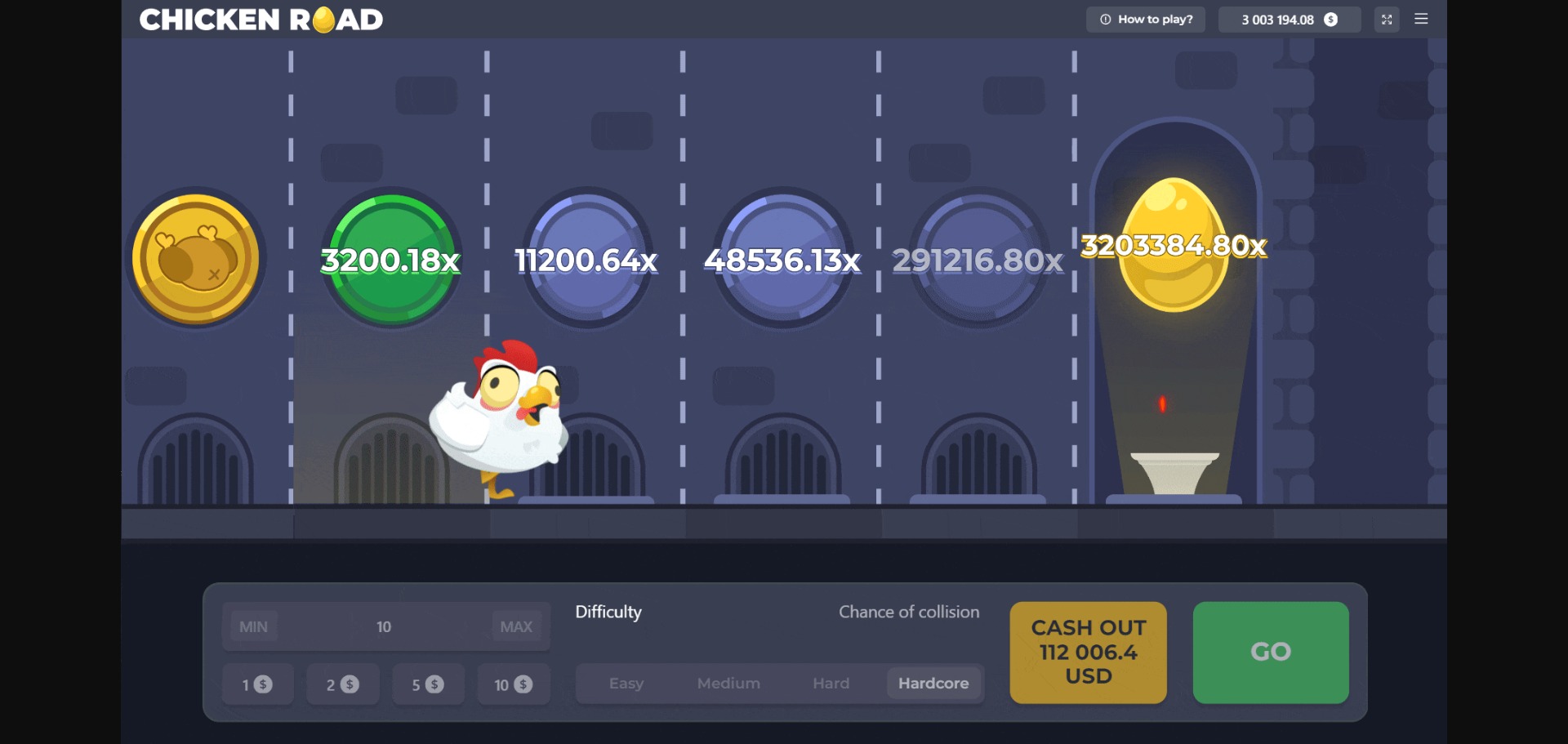
I still think back to the first time a cascade hit on a Megaways slot and the reels rearranged themselves right in the middle of a spin. The game seemed like it had split wide open. That mechanic, now a staple in games like Chicken Road, reshapes how you look at every single spin. You’re not facing fixed paylines; you get a grid where the number of symbols on each reel changes randomly with every click. This guide walks you through that engine, using the lighthearted farmyard romp Chicken Road as a hands-on example.
What Exactly Are Megaways Slots and How Do They Function?
Megaways is a reel modification system powered by Big Time Gaming. It varies how many symbols land on each reel on each spin. A regular six-reel layout can show between two and seven symbols per reel. The number of ways to win is the result of the symbol counts on all reels. When every reel hits seven symbols, you get the full 117,649 ways. That inherent variability means no two spins ever feel the same, and that’s the main thrill.

Chicken Road builds that engine under a cheerful farm theme. Each reel might display a distinct number of chickens, eggs, or hay bales, and the game recomputes wins after every cascade. When you land a winning combo, those symbols disappear and fresh ones tumble into the gaps, sometimes triggering chain reactions from one paid spin. Cascading wins make the base game a lot more compelling than a standard slot.
The practical upshot? You’re not seeking fixed paylines. You just need matching symbols on adjacent reels, left to right, no matter where they sit vertically. Since reel heights vary, one spin might give you only a few hundred ways, while the next could explode into tens of thousands. That randomness is why Megaways titles are so favoured across Canada right now.
Max Win Potential and Why It’s Important
Chicken Road, much like many Megaways slots, promotes a maximum win cap as opposed to a progressive jackpot. Typical caps for games in this class land near 5,000x to 10,000x your stake, although exact figures differ by operator configuration. So a $1 spin could theoretically return $5,000 to $10,000 on a single bonus round. The cap safeguards the game’s math model and guarantees the casino can handle the liability, while still offering life-changing potential for small-stake players.
The route to that max win virtually always runs through the free spins multiplier. When you pair a high starting multiplier from a gamble win with a long cascade chain, the numbers compound rapidly. I’ve witnessed players hit 500x to 1,000x wins during particularly generous features, and the theoretical max sits well above that. The essential thing is recognizing that these peaks are rare; this game is designed to deliver most of its return through smaller, frequent base-game cascades and occasional medium bonus hits.
Understanding the max win also assists you set realistic expectations. You’re not grinding toward a guaranteed jackpot. Alternatively, you are buying into a high-ceiling experience where any spin could unlock, but most won’t. I discover that framing the max win as a thrilling possibility rather than an entitlement keeps the game fun. For Canadian players who enjoy the chase, Chicken Road offers that ceiling without requiring a massive per-spin investment.
Frequent Questions Players Ask About Chicken Road
One question I encounter often is whether the game is rigged or fair. Chicken Road runs on a certified random number generator, and the RTP is audited by independent testing labs. The outcomes are random, and the house edge is built into the math model over millions of spins. Your short-term results will swing, but the game isn’t manipulating individual sessions. Always play at licensed casinos that display their testing certificates to ensure you’re getting the genuine, audited version of the game.
Another frequent concern is about the bonus buy feature. In provinces where it’s permitted, you can pay a fixed multiple, often 100x your stake, to jump straight into free spins. I approach this with caution because the cost is steep, and the feature can still return less than the buy-in. It’s a shortcut for players who dislike waiting, but it doesn’t change the underlying math. If you use it, treat it as a calculated risk, not a guaranteed profit centre.
Players also ask about the best time to raise their bet. There’s no hot or cold cycle; each spin is independent. However, I sometimes increase my stake slightly after a long dry spell if my bankroll allows, because the high volatility means a big win can strike at any moment. The smarter approach is to set a session budget and divide it into spins that let you survive at least 150 to 200 turns. That gives you a realistic shot at triggering the bonus round without overextending.
Breaking Down the Reward Perks
The egg scatter is your best friend in Chicken Road. Land three or more anywhere on the reels and you trigger the free spins round. Before the feature starts, you’ll often face a gamble wheel or a choice that permits you to hazard your initial spins for a shot at more. I tackle this cautiously because the gamble can erase your bonus entirely. The base award usually starts at eight to twelve free spins, with an increasing multiplier that rises with every cascade win during the feature.
Inside the free spins, the multiplier remains unchanged between spins. Every winning cascade bumps the multiplier by one, and it keeps growing until the round ends. This is where the game’s max win potential comes alive. I’ve seen a single free spin transform into a chain of five cascades, pushing the multiplier to 5x or higher while new wins keep forming. That uncapped multiplier is the engine that turns a modest bonus into a memorable payout.
Wilds show up as the golden chicken and replace for all symbols except the scatter. They can arrive on the top tracker reel, an extra horizontal reel above the main grid that places symbols to the reels below. This tracker reel can supply wilds, high-value symbols, or extra scatters, boosting your chances mid-spin. Some versions also include a mystery symbol that transforms into a random matching icon, introducing another layer of unpredictability to every cascade.
The Farmyard Theme and Graphics of Chicken Road
Chicken Road puts you into a lively, a bit chaotic farm. The reels sit against a wooden coop backdrop with straw, fences, and bright blue skies. Symbols feature a rooster, a hen, chicks, eggs, and traditional card royals styled like wooden signs. The soundtrack mixes banjo plucks and clucking that never grates. I appreciate how the lighthearted presentation makes the high-volatility gameplay feel approachable, not intimidating.
Visually, the game uses crisp cartoon graphics that load fast on mobile and desktop. The animations stand out during cascades: winning symbols break into feathers and new ones tumble down with a rewarding bounce. The rooster is the top-paying symbol; five of a kind provides a solid payout. The egg scatter is your pass to the bonus round, and the golden chicken wild substitutes for all regular symbols to complete winning combos.
The theme doesn’t try to be overly complex. It relies on a basic, identifiable world and allows the Megaways engine do the heavy lifting. For Canadian players who enjoy slots that seem warm and familiar, Chicken Road delivers a cozy atmosphere without losing the mechanical depth that keeps sessions unpredictable. You can dive in without decoding a dense fantasy backstory.
Megaways vs. Traditional Slots: What Alters for Players in Canada
Standard slots lock you into a specific number of paylines, usually 10, 20, or 25, and successful combinations must align exactly on those paths. Megaways slots like Chicken Road substitute that inflexible structure with the dynamic ways-to-win mechanic. You never have to worry about choosing lines or grasping line patterns. Every possible left-to-right adjacent combination applies, which simplifies the player experience while increasing the potential payout routes on each spin.
The cascading reel mechanic is another shift. In a standard slot, a win finishes the spin. With Chicken Road, that winning combination vanishes and new symbols take their place, potentially setting off another payout. This can repeat multiple times from a single paid spin, effectively giving you several chances for the price of one. For players in Canada accustomed to one-and-done spins, this feels like a generous enhancement that expands your fun factor and builds anticipation with each tumble.
Risk level also tends to lean more marked in Megaways slots. A traditional low-volatility slot may pay minor amounts frequently, whereas Chicken Road leans into the high-risk model where patience brings rewards with less frequent but bigger bursts. I believe this fits the Canadian scene well, where many players enjoy the tactical element of money management and the excitement of hunting a big feature. The game honors your time by making every spin feel consequential, even if the return is zero.
Payout Percentage, Volatility, and Stake Range in Chicken Road
Chicken Road commonly offers an RTP around 96%, the standard sweet spot for modern Megaways slots. Some operators run a slightly lower configuration, so I consistently suggest verifying the in-game info panel ahead of you commit real cash. The theoretical RTP signifies that over millions of spins, the game is designed to return about 96 cents per dollar wagered, but your session results will vary wildly because of the high volatility.
Volatility is where Chicken Road reveals its true character. I’d classify it as high: wins can be infrequent but have the ability to be substantial when they land. You could spin through twenty dead turns, then hit a cascade sequence that packs the screen with roosters and increases your stake several times over. That rhythm appeals to patient players who enjoy the tension of chasing bonus triggers and are at ease with dry spells.
The bet range caters to cautious newcomers and experienced spinners alike. You can typically start as low as $0.20 per spin and climb to $20 or more, according to the casino. I consider the lower end ideal for learning how the cascades and reel modifiers behave without burning through your bankroll. Once you comprehend the feature triggers, you can adjust your stake to align with your comfort level and session goals.
How to Play Chicken Road: Step-by-Step Instructions
Kick off by launching the game on your preferred device and allowing the farmyard graphics to load. Before spinning, tap the menu icon to check the paytable. You will see the worth of each symbol, the scatter and wild rules, and the precise RTP configuration. This is something I always do because it requires thirty seconds and offers you a complete picture of what to expect. Then, use the bet selector to pick your stake, remembering that bigger wagers amplify both risk and reward.
Once your bet is set, press spin and observe the reels mix up. Pay attention to the quantity of symbols on each reel; you will see the ways-to-win counter update above the grid. A win activates the cascade, clearing winning symbols and bringing in new ones. This continues until no new wins form. You may also use autoplay to establish a quantity of automatic spins, but I advise putting in place a loss limit to keep control during the high-volatility stretches.
The key strategic goal is unlocking the free spins. There’s no skill in the spins themselves, but handling your bankroll to endure until the bonus round is key. I recommend starting with smaller bets and boosting just if you’re solidly ahead. The game also offers a bonus buy option in some jurisdictions, allowing you secure direct entry into free spins for a multiple of your stake. Check whether this is available and legal in your province before using it.
Practical Tips for Enjoying Chicken Road Wisely
Kick off by treating Chicken Road as purchased entertainment, not an income source. I set a firm loss limit before I open the game, and I stick to it even if I feel a bonus is just around the corner. The cascades can be entrancing, so I also set a timer to remind myself to take breaks. High-volatility slots can drain a balance quickly if you chase losses, so discipline is your most valuable tool. The farmyard fun is best enjoyed when you’re in control.
Employ the demo mode if it’s available. Most Canadian-friendly platforms offer a free-play version of Chicken Road that lets you examine the mechanics, test bet sizes, and see how the free spins multiplier acts without risking a dime. I spent a good hour in demo mode when I first tried the game, and it helped me grasp the cascade rhythm and the real frequency of scatter triggers. That knowledge made my real-money sessions more confident and less reactive.
Ultimately, pay attention to the game’s information screens. They contain the precise RTP, the symbol payouts, and the feature rules for that particular version. Operators can sometimes configure slightly different math models, so what you read in a review might not match the copy you’re playing. I make it a practice to check the info panel every time I try a new casino, because knowing the precise parameters lets you make informed decisions about your stake and strategy.
Chicken Road takes the explosive Megaways engine and wraps it in a theme that feels like a sunny afternoon on the farm. The combination of cascading wins, an uncapped free spins multiplier, and a friendly visual style makes it a standout choice for Canadian players curious about dynamic reel systems. If you haven’t yet experienced a Megaways slot, this game offers a easy on-ramp with serious upside. Open the paytable, set a sensible bet, and let those chickens show you why the format has reshaped modern slot design.